
The Earth, Giving and Covenant: A Biblical Way of Speaking to the Earth
Key Scriptures
-
Genesis 8:20–22 – Seedtime and harvest.
-
Genesis 4:3–10 – Cain, Abel, and the voice of blood from the ground.
-
Deuteronomy 26:1–11 – The offering of firstfruits.
-
Proverbs 3:9–10 – Honouring God with our substance.
-
2 Corinthians 9:6–11 – The principle of sowing and reaping.
-
Philippians 4:15–19 – Giving and partnership in the Gospel.
Introduction
There is a fascinating relationship between the earth, giving, and covenant throughout Scripture. The earth is not merely the ground upon which humanity walks; it is part of God’s creation, established with order, purpose, and the capacity to produce.
In Genesis 8:22, after the flood, God declared that as long as the earth remained, seedtime and harvest would continue. This establishes an important principle: the earth operates within an order established by its Creator.
But there is another dimension worth examining. Scripture repeatedly connects what happens on the earth with what humanity does upon it. Blood can cry from the ground (Genesis 4:10), the land can become unproductive because of judgement (Leviticus 26:19–20), and the land can produce a harvest through God’s provision and human labour.
Giving introduces another dimension to this relationship. Through offerings, firstfruits, generosity, and support for God’s work, people express their recognition of God’s ownership and participate in His purposes.
Can giving, therefore, be understood as a way of speaking to the earth?
The answer requires us to understand the biblical principles of seedtime, harvest, covenant, stewardship, and spiritual responsibility.
Sometimes, what we desire to see in the earth must begin with what we are willing to plant into it.
1. The Earth Responds to the Order Established by God
Scripture: Genesis 8:22
After the flood, God made a declaration concerning the continuity of the earth:
“While the earth remaineth, seedtime and harvest, and cold and heat, and summer and winter, and day and night shall not cease.”
This is one of the foundational scriptures for understanding the relationship between the earth and harvest.
God established an order in which planting and harvesting would continue. A farmer understands this principle. If he desires a harvest, he must prepare the land, plant the seed, and care for the crop.
The earth does not produce a harvest simply because someone desires one. There is a process.
This natural principle also provides a spiritual picture of giving. In 2 Corinthians 9:6, Paul uses sowing and reaping to explain generosity.
The lesson is that giving is intentional. What we release in generosity can contribute to outcomes beyond ourselves.
However, we must not turn this into a formula that guarantees financial returns. Paul’s emphasis is on cheerful generosity, meeting needs, and enabling good works.
The earth teaches us that harvest is connected to planting, and Scripture teaches us that generosity should be intentional.
2. The Ground Can Bear Witness to What Happens Upon It
Scripture: Genesis 4:3–10
One of the most remarkable accounts concerning the earth is the story of Cain and Abel.
Both brothers brought offerings before God. Abel’s offering was accepted, while Cain’s was not. Cain became angry, and eventually murdered his brother.
God confronted Cain and declared:
“What hast thou done? the voice of thy brother’s blood crieth unto me from the ground.” (Genesis 4:10).
Notice the expression: the blood cried from the ground.
The ground became the witness to an act of violence that Cain attempted to conceal.
This passage reveals that what happens upon the earth is not hidden from God. Human actions have consequences, and God holds humanity accountable.
We can draw an important devotional lesson from this: the earth can become associated with the consequences of what humanity plants into it.
Where violence is planted, suffering follows. Where injustice is practised, people are wounded. Where generosity is demonstrated, others can experience relief and support.
The question is therefore not simply what we want the earth to produce, but what we are planting into it.
3. Giving Is a Form of Speaking to the Earth
Scripture: 2 Corinthians 9:6–11
Giving can be understood as a practical expression of what we desire to contribute to the world around us.
When a farmer plants a seed, he is making an investment in the future. The seed enters the ground, and under suitable conditions, it produces a harvest.
Similarly, when we give towards the work of God, support the needy, or help someone in difficulty, our resources become instruments of change.
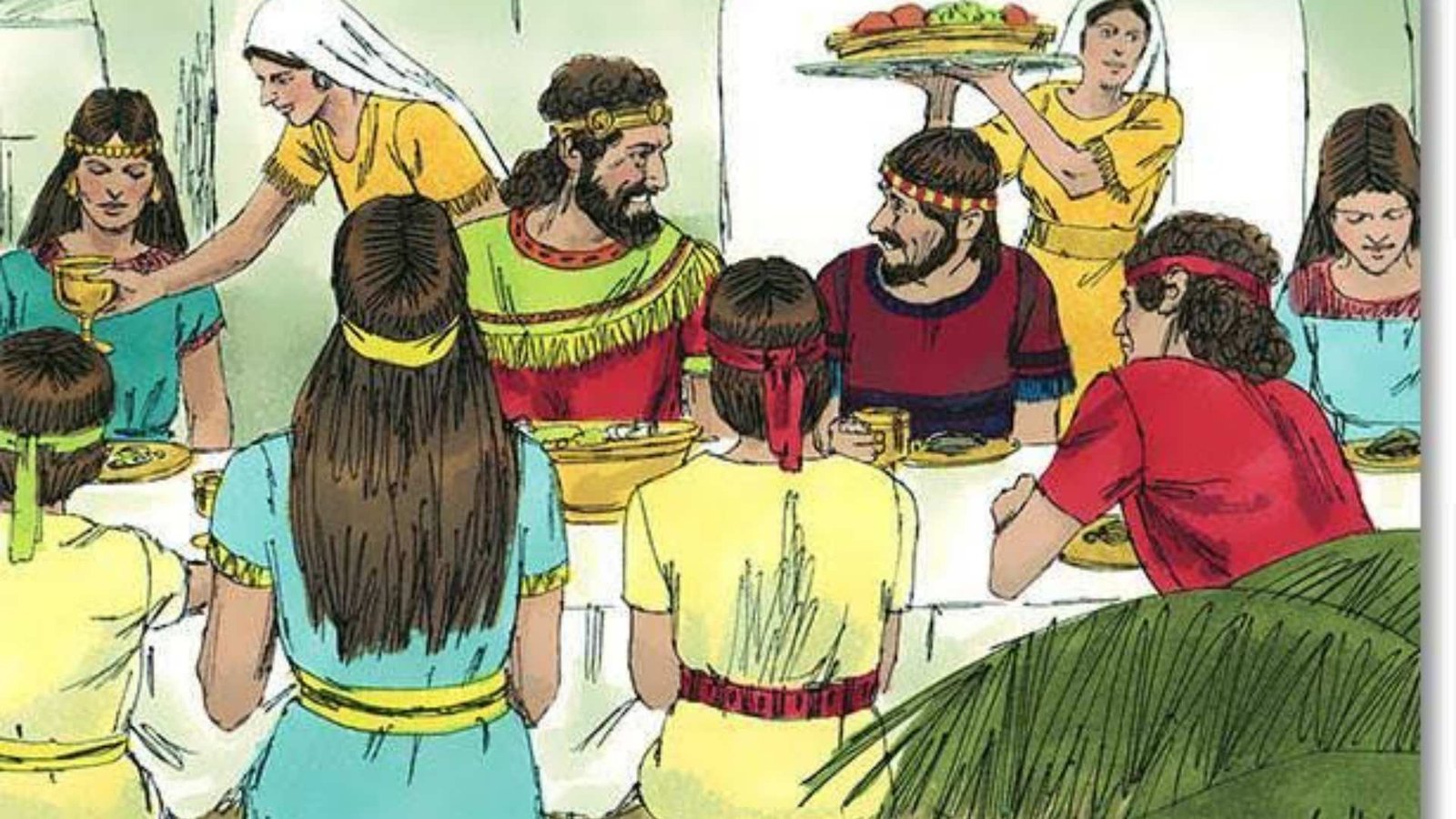
Consider the woman who supported the ministry of Jesus.
Luke 8:1–3 records that several women, including Mary Magdalene, Joanna, and Susanna, supported Jesus and His disciples from their own resources.
Their giving helped sustain the practical work of proclaiming the Kingdom of God.
They were not necessarily the ones standing before the crowds preaching, but their resources contributed to the ministry.
This is one way giving speaks to the earth: it produces practical evidence of our faith and commitment.
A contribution towards evangelism can help spread the Gospel. A gift to someone in need can provide food. Support for Christian education can help equip another generation.
Your giving becomes a voice when it produces something meaningful in the lives of others.
4. Firstfruits: Speaking Through What You Give First
Scripture: Deuteronomy 26:1–11; Proverbs 3:9–10
Under the Old Covenant, Israel was instructed to bring the firstfruits of their harvest before the Lord.
In Deuteronomy 26, the Israelites were not merely instructed to bring agricultural produce. They were also required to remember and testify to God’s faithfulness in bringing them out of Egypt and into the promised land.
Their offering became an expression of gratitude and recognition.
They acknowledged that the land, the harvest, and their inheritance had come from God.
Proverbs 3:9–10 similarly teaches:
“Honour the LORD with thy substance, and with the firstfruits of all thine increase.”
The principle is that God deserves honour and priority.
For Christians today, the Old Testament agricultural firstfruits system should not be imposed as though believers remain under every provision of Israel’s covenant law. Nevertheless, the principle of honouring God with our resources remains relevant.
When we give willingly and purposefully, we demonstrate that our possessions do not occupy the highest place in our hearts.
Our giving speaks of gratitude, trust, and devotion.
5. Covenant Gives Giving Its Spiritual Context
Scripture: Genesis 9:8–17; Genesis 14:18–20
Covenant is an important theme in understanding God’s relationship with humanity.
After the flood, God established a covenant with Noah, promising that a flood would never again destroy all life in the same way. The rainbow became the sign of that covenant (Genesis 9:12–17).
This covenant demonstrates God’s faithfulness and His commitment to the established order of creation.
We also see Abraham giving a tenth to Melchizedek after receiving his blessing (Genesis 14:18–20).
Abraham’s action demonstrated honour and recognition of God Most High.
These accounts must be understood in their proper biblical contexts. Noah’s covenant was God’s promise, while Abraham’s offering was an expression of honour. Neither passage teaches that human giving purchases God’s covenant or forces Him to fulfil a particular promise.
Rather, they help us understand that giving belongs within a relationship of faith, gratitude, and recognition of God’s authority.
Under the New Covenant, our relationship with God is established through Jesus Christ, not purchased through offerings.
Giving is our response to grace, not the price of receiving it.
6. When Giving Becomes a Voice of Restoration
Scripture: Joel 2:23–27; 2 Corinthians 9:10–11
Joel 2 presents one of the strongest biblical pictures of restoration.
Judah had experienced devastating agricultural destruction. The prophet described the destruction caused by the locust, cankerworm, caterpillar, and palmerworm.
Yet God promised restoration.
Joel 2:25 declares:
“And I will restore to you the years that the locust hath eaten…”
The promise was given in the context of God’s call for His people to return to Him (Joel 2:12–13).
It reveals His mercy and His power to restore what had been devastated.
How does this connect to giving?
When we give, we can become part of the practical means through which restoration reaches others.
A generous person may help a struggling family rebuild. A church may support a community in need. A Christian organisation may provide education, food, or essential assistance.
In these situations, giving becomes an instrument through which restoration is experienced.
We should not claim that every financial offering automatically reverses personal losses. But we can confidently recognise that generosity can help rebuild lives and restore hope.
Sometimes, God uses what is in someone’s hands to answer a need in another person’s life.
7. Your Words and Your Giving Must Agree
Scripture: James 2:14–17; 1 John 3:17–18
There is a danger in speaking about fruitfulness while ignoring the responsibility of generosity.
We may declare that we want to see our communities transformed, yet refuse to contribute towards their improvement.
We may pray for the poor while remaining unwilling to help someone in need.
James 2:15–16 describes a brother or sister who lacks clothing and daily food. If someone offers comforting words but does nothing to meet the need, what benefit has been achieved?
James uses this example to explain that genuine faith must be demonstrated through action.
This is an important connection between speaking and giving.
Our words express what we believe, but our actions demonstrate how seriously we take that belief.
If we speak about the advancement of God’s Kingdom, we should also be willing to support its work.
If we speak about love, our generosity should reflect that love.
If we speak about restoration, we should be willing to participate in helping others rebuild.
Do not allow your mouth to declare what your hands are unwilling to support.
8. The Greatest Gift: Jesus Christ and the New Covenant
Scripture: John 3:16; Luke 22:19–20; Hebrews 9:14–15
Every discussion about giving and covenant must ultimately lead us to Jesus Christ.
John 3:16 declares that God loved the world and gave His only begotten Son. This is the greatest demonstration of divine generosity.
God did not ask humanity to purchase salvation through offerings. Instead, He provided redemption through the sacrifice of Jesus Christ.
During the Last Supper, Jesus took the cup and declared:
“This cup is the new testament in my blood, which is shed for you.” (Luke 22:20).
The New Covenant was established through His blood.
This changes how we understand Christian giving. We do not give to purchase God’s love, secure salvation, or force divine intervention. We give because we have received grace.
Our generosity is a response to the greatest gift humanity has ever received.
The blood of Jesus speaks of forgiveness, reconciliation, and eternal life. No financial offering can replace that sacrifice.
The greatest covenant was established through the giving of Christ, and our giving should reflect the grace we have received through Him.
Conclusion: Let Your Giving Speak to the Earth
The relationship between the earth, giving, and covenant reveals an important biblical principle: what we plant into the world matters.
The earth operates under God’s established order of seedtime and harvest. Scripture teaches us to honour God with our resources, give cheerfully, support the Gospel, and demonstrate genuine love through practical generosity.
Our giving is not a magical transaction that controls the earth or obligates God to fulfil our desires. It is an expression of faith, worship, stewardship, and partnership in His purposes.
When we give towards the advancement of God’s Kingdom, support those in need, and contribute to the restoration of lives, our resources become instruments of divine purpose.
So, speak to the earth, not merely with declarations, but also through your actions.
Let your generosity speak. Let your kindness speak. Let your stewardship speak.
The earth may receive the seed, but the harvest ultimately belongs to God’s order and provision.
Prayer
Heavenly Father,
Thank You for being the owner of the earth and the source of every good gift. Teach me to understand the mystery of giving and to become a faithful steward of everything You have entrusted to me.
Give me a generous heart. Help me to support Your Kingdom, remember those in need, and use my resources to bring hope and restoration into the lives of others.
May my words and actions agree with Your Word. Let my life become an instrument of blessing and a testimony of Your goodness.
Thank You for the greatest gift of all, Jesus Christ, through whom I have received the promise of eternal life.
In Jesus’ name, Amen.
Scriptures for Further Study
-
Genesis 4:3–10 – Cain, Abel, and the voice from the ground.
-
Genesis 8:20–22 – God’s promise of seedtime and harvest.
-
Genesis 9:8–17 – God’s covenant with Noah.
-
Genesis 14:18–20 – Abraham and Melchizedek.
-
Deuteronomy 26:1–11 – The offering of firstfruits.
-
Proverbs 3:9–10 – Honouring God with our substance.
-
Luke 8:1–3 – Supporting the ministry of Jesus.
-
Joel 2:21–27 – Restoration after devastation.
-
2 Corinthians 8:1–9 – The grace of giving.
-
2 Corinthians 9:6–11 – Sowing and reaping.
-
Philippians 4:15–19 – Partnership in the Gospel.
-
Hebrews 9:11–15 – Jesus, the Mediator of the New Covenant.