
Desiring God: The Heart That Longs for His Presence
Key Scriptures:
-
Psalm 42:1–2
-
Psalm 27:4
-
Matthew 5:6
-
Philippians 3:7–10
Introduction: Beyond Desiring What God Can Give
One of the greatest expressions of spiritual maturity is reaching a place where we desire God more than we desire what He can give us. Many people come to God because they need something: healing, financial provision, protection, direction, breakthrough, or answers to difficult situations. These are legitimate concerns, and Scripture encourages us to bring our requests before Him. However, there is a deeper dimension of relationship with God that goes beyond receiving from His hands. It is the desire to know Him, walk with Him, understand His ways, and experience the reality of His presence.
There is a difference between desiring the blessings of God and desiring the God who blesses. One focuses primarily on what God can do; the other focuses on who God is. While God’s provisions are expressions of His goodness, they should never become substitutes for our relationship with Him.
The question every believer must eventually confront is this: If God were to give you everything you have been praying for, would you still desire Him?
A heart that genuinely desires God does not make Him merely a means to an end. It recognises that knowing Him is itself one of life’s greatest privileges.
1. The Soul Was Created with a Desire for God
In Psalm 42:1–2, David expresses a deep spiritual longing:
“As the deer pants for the water brooks, so pants my soul for You, O God. My soul thirsts for God, for the living God.”
The imagery is powerful. David compares his longing for God to the thirst of a deer searching for water. Water is not an optional luxury for a thirsty animal; it is essential for survival. In the same way, David describes his relationship with God as something his soul cannot treat as secondary.
Human beings often attempt to satisfy their deepest longings through achievements, relationships, possessions, recognition, and personal accomplishments. These things may bring temporary satisfaction, but they cannot replace the spiritual relationship for which humanity was created.
This does not mean that enjoying earthly blessings is wrong. Rather, it means that created things were never designed to take the place of the Creator.
A person may have everything that society considers successful and still experience an emptiness that possessions cannot resolve. The soul needs more than material satisfaction; it needs fellowship with God.
2. Desiring God’s Presence Above His Gifts
In Psalm 27:4, David declares:
“One thing I have desired of the LORD, that will I seek: that I may dwell in the house of the LORD all the days of my life, to behold the beauty of the LORD, and to inquire in His temple.”
David was a king who understood power, wealth, military victory, and political influence. Yet, when he expressed his deepest desire, he spoke about dwelling in God’s presence and beholding His beauty.
This is remarkable because David had access to many things people spend their lives pursuing. Nevertheless, his greatest desire was not simply to acquire more possessions or establish greater influence. He wanted communion with God.
There is an important spiritual lesson here: the maturity of our relationship with God can be measured not only by what we ask Him to do for us but also by how much we value fellowship with Him.
We must be careful not to reduce Christianity to a continuous pursuit of miracles, prophetic declarations, breakthroughs, and material advancement. These subjects may have their place, but they must never become the centre of our faith.
God is not merely the source of our blessings. He is the object of our worship.
3. Hunger and Thirst for Righteousness
Jesus makes a profound statement in Matthew 5:6:
“Blessed are those who hunger and thirst for righteousness, for they shall be filled.”
In the Sermon on the Mount, Jesus describes the character of those who belong to God’s kingdom. He does not celebrate superficial religious activity. Instead, He describes people whose inner lives are marked by a genuine longing for righteousness.
To hunger and thirst for righteousness is to desire what is right before God. It involves longing for a life that reflects His character, submitting to His will, and seeking transformation through His grace.
Desiring God therefore goes beyond emotional excitement during worship services. It must influence our decisions, conversations, relationships, business dealings, and personal conduct.
A person cannot sincerely claim to desire God’s presence while deliberately making peace with everything that contradicts His character.
The desire for God should produce a desire for holiness. Not because we earn His love through perfect behaviour, but because genuine relationship with Him changes what we love, value, and pursue.
4. The Danger of Loving God’s Benefits More Than God
One of the greatest spiritual dangers is allowing our relationship with God to become transactional.
A transactional relationship says, “I will serve God because He will give me what I want.” But a relationship built on love says, “I will remain faithful because He is worthy of my devotion.”
The story of Job offers an important illustration. When Satan questioned Job’s integrity, he suggested that Job feared God only because God had blessed and protected him (Job 1:9–11).
The central challenge was whether Job’s devotion was genuine or merely connected to his prosperity.
Job’s subsequent suffering tested the foundation of his faith. Although he struggled, questioned, and expressed his anguish, his story reveals that genuine faith must be deeper than material circumstances.
This is a necessary lesson for contemporary Christianity. What happens when the answer delays? What happens when the door does not open? What happens when the season becomes difficult?
Does our desire for God disappear because the blessings seem distant?
Faith is not the absence of questions or pain. It is a relationship with God that remains meaningful even when circumstances are difficult.
The greatest evidence of devotion is not how passionately we pursue God when everything is working, but whether we continue to trust Him when life becomes difficult.
5. Jesus Christ: The Greatest Example of Seeking the Father
Jesus consistently demonstrated a life centred on fellowship with the Father.
Mark 1:35 tells us that Jesus rose early, went to a solitary place, and prayed. Despite the demands of His ministry, the needs of the crowds, and the responsibilities surrounding Him, He maintained a life of prayer.
In Luke 5:16, we are also told that Jesus often withdrew to lonely places and prayed.
These passages reveal something important about spiritual priorities. Even with significant responsibilities, Jesus maintained communion with the Father.
His example challenges us to examine the place we give God in our daily lives. We can become so occupied with work, ministry, business, family responsibilities, and personal ambitions that fellowship with God gradually becomes an afterthought.
Yet, if we are to live meaningful Christian lives, we must learn to create room for His Word, prayer, worship, and quiet reflection.
Jesus did not treat communion with the Father as an interruption to His assignment. It was central to His life and mission.
6. Desiring God Requires a Willingness to Surrender
In Philippians 3:7–10, the Apostle Paul describes how he came to regard his former gains as loss compared with the surpassing worth of knowing Christ.
Paul had religious credentials, education, status, and a strong background in Judaism. Yet, after encountering Christ, his understanding of value changed.
He was no longer defined by the things he once considered achievements. His greatest ambition became knowing Christ and experiencing the power of His resurrection.
This does not suggest that education, business, professional advancement, or personal achievement are inherently wrong. Rather, it teaches that none of these things should occupy the place that belongs to Christ.
Desiring God requires us to surrender anything that competes with our devotion to Him.
Sometimes the challenge is not that we have too little time, but that our priorities have become disordered. We give our best attention to everything else and offer God whatever remains.
True spiritual hunger calls for a change in priorities. It invites us to examine what controls our attention, influences our decisions, and occupies our hearts.
7. How Do We Cultivate a Genuine Desire for God?
A genuine desire for God can be cultivated through consistent spiritual practices and a growing understanding of His character.
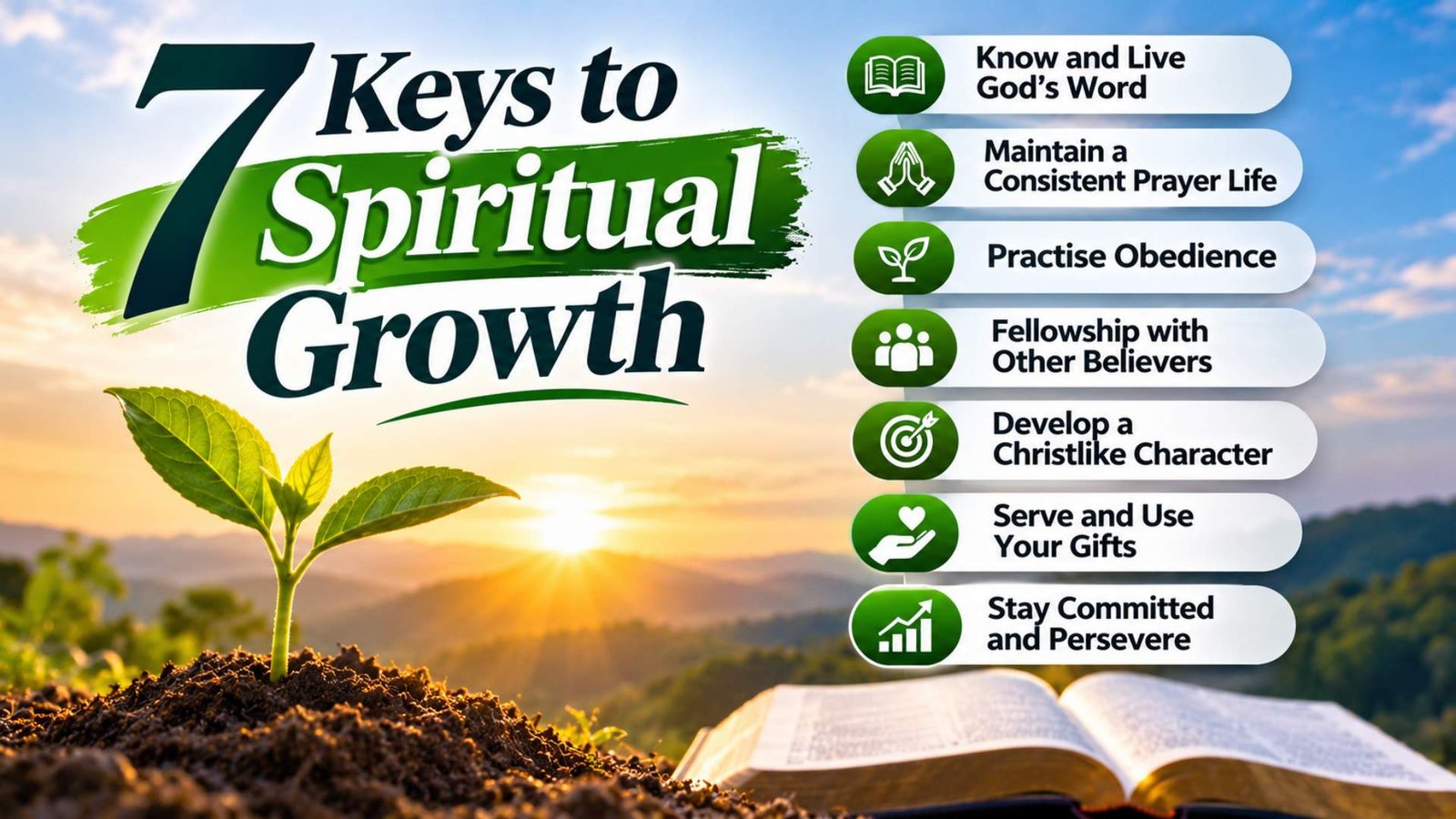
First, we must develop a meaningful relationship with His Word. Scripture reveals God’s character, His purposes, His instructions, and His redemptive plan through Jesus Christ. Reading the Bible should not become merely an exercise in collecting information. It should lead us to understand, trust, and obey Him.
Second, we must develop a consistent prayer life. Prayer is more than presenting requests. It is also an expression of dependence, worship, confession, thanksgiving, and fellowship with God.
Third, we must practise obedience. Jesus said in John 14:15, “If you love Me, keep My commandments.” Love for God must eventually find expression in the way we live.
Fourth, we must examine our priorities. The things that consistently receive our attention often reveal what we value most. We should be intentional about creating space for spiritual growth.
Finally, we must learn to worship God beyond our circumstances. Worship should not be dependent entirely on whether life is comfortable or whether our expectations have been fulfilled. God remains worthy of worship because of who He is.
These practices do not purchase God’s love or guarantee a particular outcome. They help us respond faithfully to the grace He has already revealed.
Conclusion: When God Becomes Your Greatest Desire
There is a spiritual destination every believer should desire to reach: a place where God is no longer pursued merely for what He can provide, but loved for who He is.
It is possible to become occupied with the activities of Christianity while gradually neglecting the relationship that gives those activities meaning. We can pursue ministry, attend services, make sacrifices, give offerings, and pray for breakthroughs while failing to cultivate a deep personal relationship with God.
The invitation of Scripture is greater than religious activity. It is an invitation to know God.
David desired His presence. Paul desired to know Christ. Jesus demonstrated continual fellowship with the Father. Their examples remind us that the deepest expression of spiritual life is not simply what we accomplish in God’s name, but the relationship we cultivate with Him.
May our greatest pursuit not be a bigger platform, greater recognition, material prosperity, or even the next breakthrough. May we desire the Giver more than the gifts.
When God becomes your greatest desire, His blessings remain appreciated, but they no longer determine the value of your relationship with Him.
Prayer
Heavenly Father, create in me a genuine hunger for Your presence. Teach me to desire You beyond the things I seek from Your hands. Forgive me for the times I have allowed my ambitions, worries, and personal pursuits to take priority over my relationship with You. Give me a heart that loves Your Word, delights in prayer, and finds joy in obedience. Help me to know Christ more deeply and to remain faithful in every season of life. May my greatest pursuit be to know You and live according to Your will. In Jesus’ name, Amen.
Scriptures for Further Study: Psalm 63:1–8; Psalm 84:1–4; Jeremiah 29:13; Matthew 6:33; John 15:1–11; Philippians 3:7–14.