
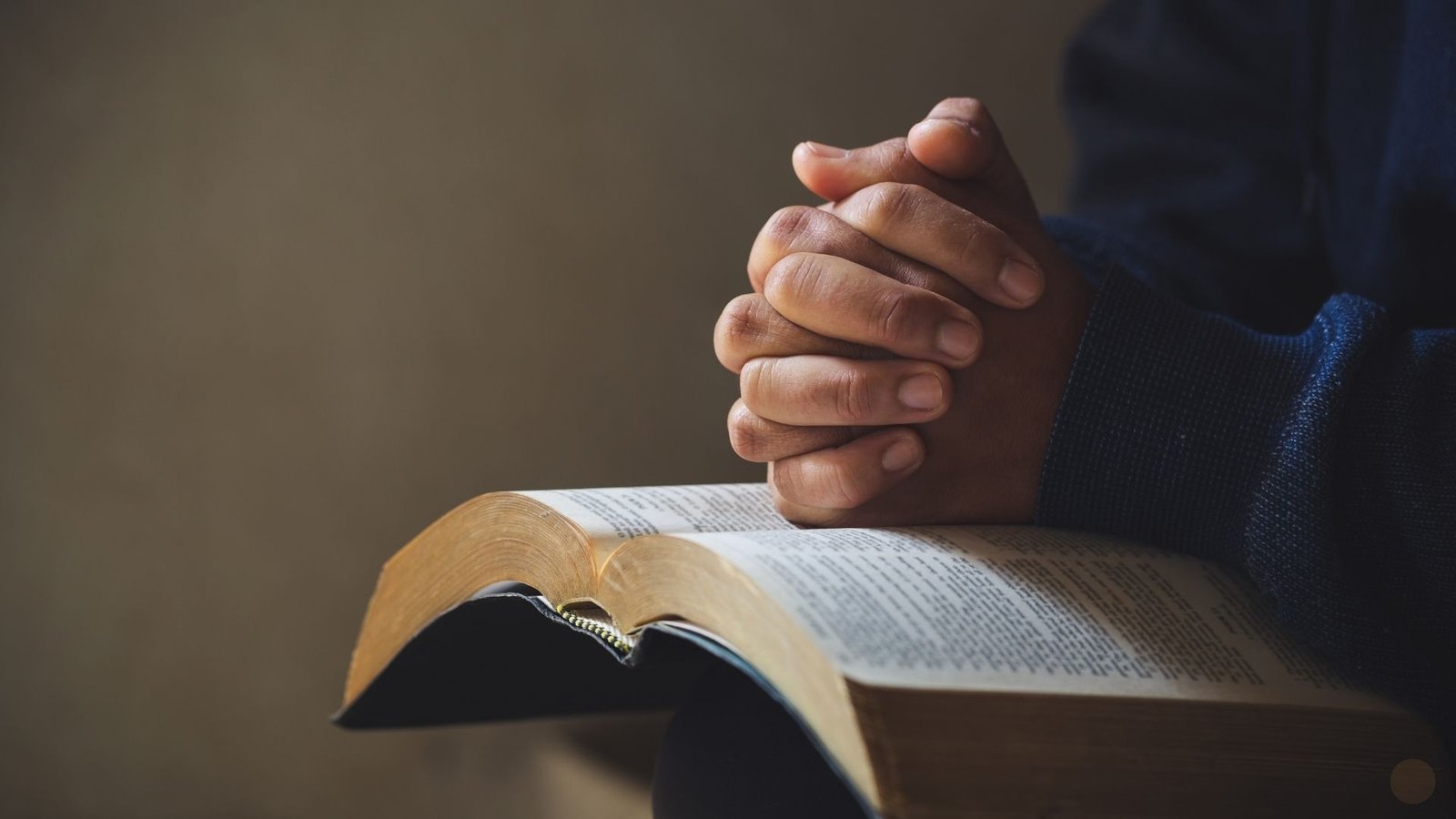
The Purpose of Prayer
Prayer is one of the most familiar practices in Christianity, yet it is one of the most misunderstood. Many people approach prayer primarily as a means of asking God for what they need. We pray for provision, healing, protection, breakthrough, direction and open doors. But prayer is far greater than bringing a list of requests before God.
Prayer is God’s invitation for man to participate in His purposes on the earth.
From the beginning, God created humanity with purpose and gave man dominion over the earth (Genesis 1:26–28). Humanity was created to represent God’s government, reflect His nature and steward His creation. Prayer therefore becomes more than a religious exercise. It is the place where the will of heaven and the responsibilities of earth meet.
This is one of the important themes in Myles Munroe’s teaching on prayer: prayer is not simply about trying to convince God to do what we want. It is about understanding God’s will and coming into agreement with it. His teaching emphasizes prayer as a means of accessing God’s purposes, receiving His direction and participating in His work on earth.
Jesus gave us the pattern:
“Your kingdom come. Your will be done, on earth as it is in heaven.” — Matthew 6:10
Notice the language.
Your kingdom. Your will.
Prayer begins to mature when the focus shifts from “God, do what I want” to “God, let Your will be accomplished through me.”
Prayer is therefore not primarily about changing God’s mind.
It is about aligning our lives with God’s mind.
Prayer Is Relationship
Before prayer becomes about requests, it is about relationship.
In Genesis 3:8, Adam and Eve heard the sound of God walking in the garden. There was fellowship between God and humanity. Prayer is part of that divine desire for communion.
Jesus Himself repeatedly withdrew from the crowds to pray.
“But Jesus often withdrew to lonely places and prayed.” — Luke 5:16
If Jesus valued communion with the Father, we cannot treat prayer as an emergency service that we only activate when life becomes difficult.
Prayer is where we know God.
It is where we become sensitive to His voice. It is where our hearts are examined, our motives are corrected and our spirits are strengthened.
Prayer is not merely talking to God. It is learning to live with God.
Prayer Aligns Us With Purpose
One of the greatest dangers in life is being busy with something God never assigned.
Prayer brings us back to purpose.
James says that if anyone lacks wisdom, they should ask God (James 1:5). Jesus demonstrated this principle in Gethsemane when He prayed:
“Not My will, but Yours, be done.” — Luke 22:42
Gethsemane reveals the deeper purpose of prayer.
Jesus did not enter prayer merely to escape the difficult assignment before Him. He entered prayer to surrender Himself to the Father’s will.
There are moments when prayer changes circumstances.
There are other moments when prayer changes us.
Sometimes God changes the situation.
Sometimes He gives you strength to walk through it.
Sometimes He removes the burden.
Sometimes He gives you grace to carry it.
But in every genuine encounter with God, something is being aligned.
Prayer brings the heart into agreement with heaven.
Prayer Gives Heaven’s Will Expression on Earth
This is where prayer becomes partnership.
Scripture repeatedly shows God working through people.
He used Noah to preserve a generation. He called Moses to lead Israel. He raised Esther for the preservation of His people. He sent prophets to speak His Word. He called the disciples to carry the gospel.
God’s purposes involve human participation.
Prayer is one of the ways that participation happens.
Ezekiel 22:30 says:
“I looked for someone among them who would build up the wall and stand before me in the gap…”
God was looking for a person who would stand in prayer.
This is the realm of intercession.
You begin praying not merely about your life but about God’s purposes in your family, church, community and generation.
Prayer gives the believer a burden for what burdens God.
Prayer Exercises Spiritual Authority
Prayer is also connected to authority.
Jesus taught His disciples to pray for God’s kingdom to come and His will to be done. Scripture repeatedly connects prayer with spiritual resistance, perseverance and authority.
When the early church prayed in Acts 4, the place where they were gathered was shaken, and they were filled with the Holy Spirit and spoke the Word of God boldly.
When Peter was imprisoned, “the church was earnestly praying to God for him” (Acts 12:5).
Prayer does not make the believer passive.
Prayer prepares you to act under God’s authority.
You pray for wisdom, then you make the decision.
You pray for strength, then you stand.
You pray for direction, then you obey.
You pray for the door, then you walk through it.
Prayer is not an escape from responsibility.
Prayer empowers responsibility.
Prayer Changes Us
One of the greatest answers to prayer may not be something God puts in your hand but something He develops in your heart.
David prayed:
“Create in me a clean heart, O God, and renew a steadfast spirit within me.” — Psalm 51:10
Prayer exposes the inner man.
It confronts pride.
It reveals motives.
It produces repentance.
It strengthens faith.
It teaches dependence.
It develops discernment.
It creates spiritual sensitivity.
This is why a person can enter prayer frustrated and leave with peace even when nothing around them has changed.
The circumstances may still be there.
But the person facing the circumstances has changed.
Philippians 4:6–7 teaches that when we bring our requests to God with thanksgiving, His peace guards our hearts and minds.
Prayer may not always immediately change the world around you.
Sometimes it first changes the world within you.
Prayer Is Participation, Not Performance
Prayer is not about impressive words.
Jesus warned against meaningless repetition and praying to be seen by others (Matthew 6:5–8).
The secret place is not a stage.
God is not impressed by the length of your prayer, the volume of your voice or the vocabulary you use.
He desires sincerity.
He desires faith.
He desires relationship.
He desires obedience.
The goal is not to perform prayer.
The goal is to encounter God.
And when you encounter God, His purposes begin to shape your purposes.
The Purpose of Prayer Is Greater Than the Answer
We often measure prayer by answers.
Did God heal me?
Did God provide?
Did the door open?
Did the situation change?
But there is a deeper measurement.
Did I become more aligned with God?
Did I know Him more?
Did I hear Him more clearly?
Did I become more obedient?
Did my faith become stronger?
Did I become more useful to His purposes?
Did I begin carrying what He is carrying?
Prayer is not simply the place where we ask God to bless our plans.
It is where our plans are surrendered to His.
Jesus taught us to pray, “Your kingdom come. Your will be done.”
That prayer changes everything.
Because when God’s kingdom becomes the priority, prayer stops being merely about what I want from heaven and becomes about what heaven wants to accomplish through me.
The purpose of prayer is relationship.
It is alignment.
It is communion.
It is transformation.
It is intercession.
It is authority.
It is dependence.
It is partnership with God.
And ultimately, it is participation in the purposes of heaven upon the earth.
So pray—not merely because you need something.
Pray because you need God.
Pray until your heart becomes aligned with His.
Pray until your desires are purified.
Pray until His purpose becomes clearer.
Pray until your will can say, “Not my will, but Yours, be done.”
And when you understand the purpose of prayer, you will discover that prayer is not simply something you do before you begin the work.
Prayer is part of the work.
Because God has chosen to accomplish His purposes on the earth through surrendered people who are willing to seek Him, hear Him, obey Him and stand in the gap.
Prayer is where heaven finds agreement on earth.










